
Discomfort — we all know it well. That sinking feeling in our stomach, the sudden pounding of our heart, the tension tightening our shoulders and neck. We also know too well our avoidance; we say “I don’t like feeling this way.” So we pull ourselves in, retreat back to our state of comfort. This avoidance evolved to keep us safe; however, in our current culture, it only keeps us limited.
The Evolutionary Purpose of Discomfort
What is the evolutionary benefit of discomfort? Whereas pain evolved to keep us safe from immediate threats, discomfort evolved to keep us safe from potential ones. Discomfort evolved to keep us alert to potential threats, the kind that reside in the unknown.
When we face something uncertain or challenging, our brain (the amygdala and prefrontal cortex) first assesses the situation in what’s called a primary appraisal. Then it conducts a secondary appraisal, evaluating whether we have the resources to handle it (Alhurani et al., 2019). If we can handle it, then our brain does not trigger the stress response.
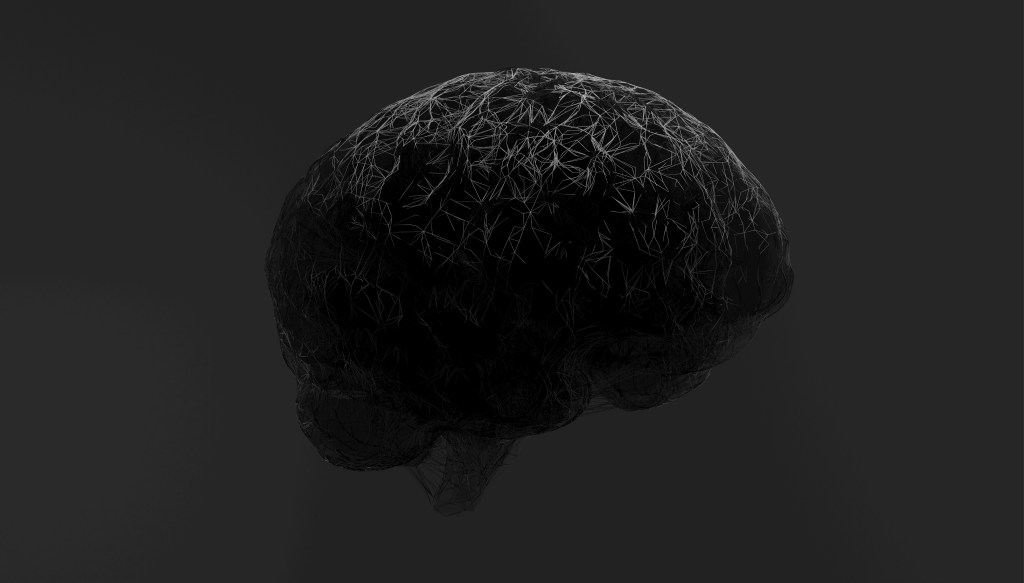
But for unfamiliar situations, when we don’t know what we need to prepare for, we can’t know what to prepare with. This uncertainty is what triggers our stress response, resulting in those feelings that we know as discomfort.
Notably, the unknown doesn’t always equal danger. But, evolution favored the cautious, those who treated the unknown as if it were dangerous. Over time, this led to survival advantages, even if it meant reacting to false alarms (Beckner, 2023). As we will see, in our modern environment, we experience false alarms virtually every time we feel discomfort.
Our Current Mismatch
Today, our physical survival is no longer our primary concern. We live in a society where safety, convenience, and ease are abundant. However, our brains still interpret uncertainty the same way that they did thousands of years ago (Wise, 2012).
This creates a mismatch. Our brains no longer need to be on alert for our survival, but they still are. What they perceive as dangerous is not actually a threat, but simply something new. If we do not reframe our this outdated brain response, we may become stripped of the opportunity for growth.
We are not able to recognize this mismatch. Because we are not able to recognize that discomfort is signaling false positives, we continue to avoid discomfort.
We cannot recognize this mismatch because the culture that we are embedded in paints comfort as the ultimate goal. It illustrates comfort, both perpetually and ubiquitously, as the ultimate, most attractive, and beneficial goal.
How Capitalism Illustrates Comfort as the Goal
Capitalism contributes to this culture of comfort. Capitalism thrives on innovation, especially innovation that makes life easier. Products that reduce effort and prioritize comfort are the ones that sell. A vegetable chopper that works in one pull (such as these), cars with volume control on the steering wheel, and phones that unlock just by looking at them.
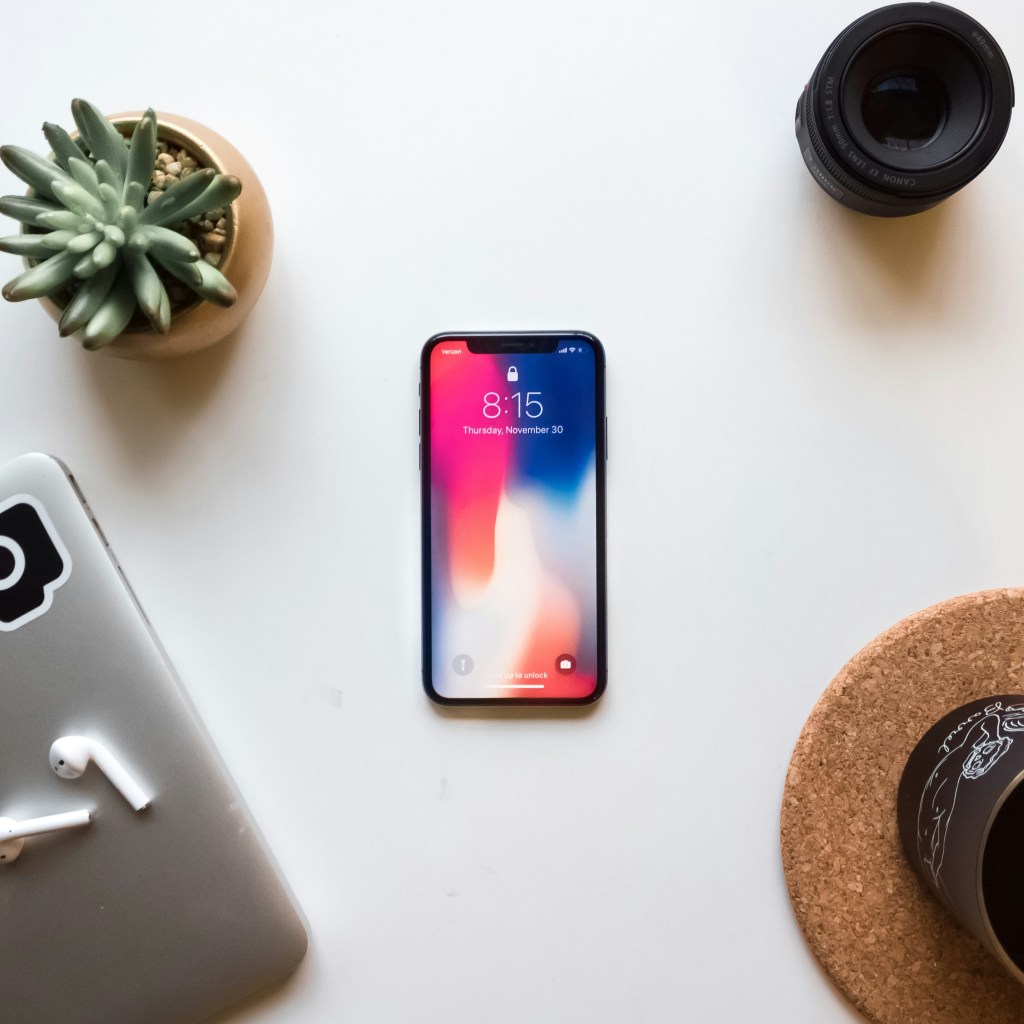
I am not saying these inventions are bad. But, they do send us a mistaken message: that comfort all the time is what we should be after. And over time, we internalize this message. According to self-perception theory (Bem, n.d.), our behaviors shape our beliefs. As we put our money towards these products, we take with us the attitude that comfort is the goal.
This idea that comfort is the goal extends to other aspects of our lives. It seeps into our career choices, relationships, and personal growth. We start making decisions based on what feels comfortable, rather than what we really want to do.
The Cost of Excess Comfort
When comfort becomes the goal and discomfort becomes the enemy, this leads to an avoidance cycle.
Each time we avoid or pull inward when faced with discomfort, we reinforce the belief that this discomfort was signaling danger. This reinforces our need to listen to discomfort, like it is keeping us safe. It then leads to us avoiding and retreating again and again.
Even in lives filled with comfort, discomfort still finds a way in. When we experience high comfort, we become hypersensitive to smaller problems. As Psychology Today points out, “Instead of becoming more satisfied as we experience fewer problems, we lower our threshold for what we consider a problem… we search for and see problems even when there are none.”
If we intentionally expand our tolerance for discomfort, we can solve our immediate problems more effectively and expand our threshold for facing larger ones.
Discomfort Is Good for Us
We, in fact, need some discomfort (Eyal, 2022). It strengthens our brain, it builds resilience. Each time we get through a difficult time, we gather firsthand experience that we can adapt and overcome. It is a firsthand experience of getting through something that builds confidence to be able to get through something else.
How to Embrace Discomfort
How do we increase our, if you will, comfort for discomfort?
This starts with the secondary appraisal (that we discussed earlier). The prefrontal cortex controls this process, and we can use it to appraise discomfort in a positive way.
We can engage in a secondary appraisal that affirms our resources, no matter the situation. We can tell ourselves phrases such as, “This is hard, but I can handle it.” We can remind ourselves that we have support and resources to use for whatever challenge we face.
The more often we face and get through discomfort, the more and more we can say, “I’ve been here before, and I made it through.”
In fact, research shows that people who frame challenges as opportunities for growth are more likely to persist and emerge stronger (Campbell, 2022).

Final Thoughts
If we can stop running from discomfort, and instead start embracing it, we may come to find that what we feared wasn’t danger but possibility.
References
Alhurani, A. S., Dekker, R., Ahmad, M., Miller, J., Yousef, K. M., Abdulqader, B., Salami, I., Lennie, T. A., Randall, D. C., & Moser, D. K. (2018). Stress, cognitive appraisal, coping, and event free survival in patients with heart failure. Heart & lung : the journal of critical care. https://pmc.ncbi.nlm.nih.gov/articles/PMC5924439/
Beckner, V. (2023, October). Is your anxiety a false alarm?. Psychology Today. https://www.psychologytoday.com/us/blog/harnessing-principles-of-change/202308/is-your-anxiety-a-false-alarm
Bem, D. (n.d.). Self-perception theory . Science Direct. https://www.sciencedirect.com/science/article/abs/pii/S0065260108600246
Campbell, P. (2022, June 21). What we gain by being uncomfortable. Psychology Today. https://www.psychologytoday.com/us/blog/imperfect-spirituality/202206/what-we-gain-by-being-uncomfortable
Eyal, N. (2022, September 7). Get comfortable with being uncomfortable. Psychology Today. https://www.psychologytoday.com/us/blog/automatic-you/202209/get-comfortable-with-being-uncomfortable
Wise, J. (2012, January 13). Why your brain’s wrong about danger. Psychology Today. https://www.psychologytoday.com/us/blog/extreme-fear/201201/why-your-brain-s-wrong-about-danger#:~:text=The%20world%20is%20full%20of,’re%20totally%20SOL%2C%20however.
 In Common Light
Leave a comment