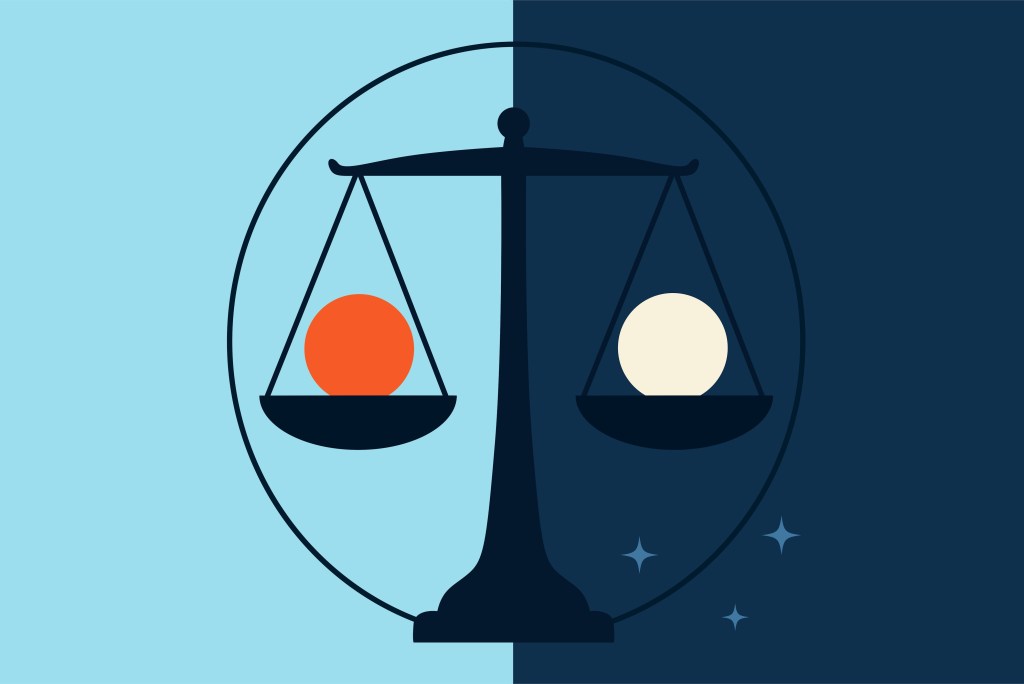
Have you ever tried to turn back downhill to your car during your hike, and then stopped yourself by saying, “No, let’s keep going, let’s make it to the top.” You want to get to the highest point offered on this hike with a satisfying end. You push through the last difficult moments and reach the top. Once you get there, you take it all in and appreciate the beauty.
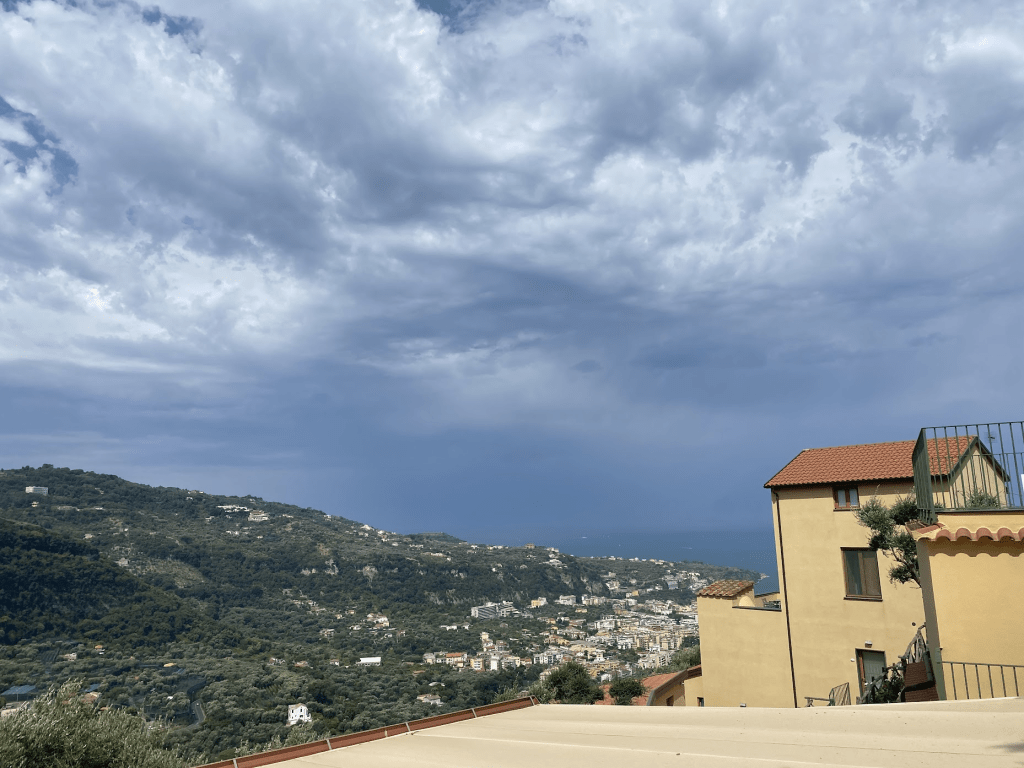
The beauty of the view on this hike is relative to what you consider “normal.” The view is only pretty because you rarely see the city from this perspective. If you lived in a house that had a nice view, one that has a steep driveway that you drive up, this view would not be as special to you. Over time, you would get used to this view, and it would become your sense of normal.
When a friend comes over, they say to you, “You must love seeing this view every day,” but you respond with, “Eh, not necessarily.” (I grew up with a pool in my backyard; people would say, “You must love swimming here in the summer,” but the pool’s sense of being special faded with time.)
Meaning Comes From Our Baseline Idea of Normal
Good things are not “good” in isolation. This view is not naturally “good”; rather, it is only good because we are not used to it, and / or because it is difficult to reach the top of a hill. “Bad” also does not exist in isolation; rather, it comes from not being used to feeling discomfort and being unable to see that it is leading you somewhere good.
The way that this view gets its beauty extends to the way in which we give meaning to other things in our lives. We give meaning to things in relation to our sense of normal; normal coming from what we are exposed to most often.
Outputs Balance Out Inputs
Negative experiences lead to positive ones. What you input becomes balanced out by what you experience in the output. The hard work that you put into that hike allowed you to see a beautiful view. Similarly, when you eat healthy, you feel better. When you work hard and do well in school, you get better pay in the future. What we put into life comes back to reward us.
We can see this idea of inputs and outputs also in our bodies. Our heart beat has a “lub-dub” to it — signaling the flow of blood into the heart and then the flow of blood out of the heart. This represents a cyclical nature — blood is not created nor destroyed, but recycled from atoms and molecules. Similarly, our lungs operate with an input and output dynamic through our inhale and exhale. Our inhale allows oxygen to enter our body, and once it is used and turned into carbon dioxide, the exhale expels the waste into the atmosphere.
Bodily Systems Crave a Balance
Our capitalistic culture emphasizes that more is always better – more technological advancements, more convenience, climbing higher up the corporate ladder. More possessions. More productivity and efficiency.
A healthy life is not one where we feel calm or happy all the time, but one where we can move flexibly between stress, recovery, challenge, and rest.
Our bodily systems operate under balances. It prefers a state of homeostasis. For example, our body is designed in a way to return to “normal” at all times. It has negative feedback loops to return the bodily system to homeostasis. Examples of negative feedback loops include
- sweating in order to cool down
- secreting more insulin to regulate blood suga
- increasing breathing rate to regulate CO2 levels in the blood.
Additionally, the body does not like when it deviates from homeostasis. For example, when a person’s dopamine levels become over-concentrated with an input (a drug, excess much sugar, excess much screen time), the receptors will essentially “die out,” causing an addiction (Drug Abuse, Dopamine and the Brain’s Reward System).
Lastly, inducators of good health often are measures of balance. High heart rate variability, which signals a good balance between the sympatheic and the parasympathetic nervous systems, indicates good health (Heart rate variability (HRV): What it is and how you can track it). I found this surprising, as I thought good health means lower activation of the sympathetic nervous system. In reality, it is the healthy activation of this system while being able to return to calm that indicates health.
Our Minds Crave Balance
We crave psychological balance as well. A balance between pleasure and pain, growth and integration, discomfort and comfort.
Whereas natural pain (like menstrual cramps or passing kidney stones) is meaningless pain (you feel it and then return to your previous state), psychological pain is meaningful. You feel it and then return to a different state than before. You grow. With psychological pain, your output is either healing something from your past or learning a new skill and growing. Either way, both types of psychological pain, because they are not “natural”, generate a more positive way of living when you have gone through it. The negative (pain) got you a positive (healing, happiness, growth).
This can be seen as
- grief deepening empathy
- failure creating maturity
- difficult conversations creating intimacy
- identity crises leading to authenticity
Takeaway
Fulfillment does not come from permanently maximizing comfort, but from engaging in meaningful cycles of challenge, adaptation, and renewal.
The struggles, discomforts, and emotional challenges we try to avoid are often the very things that create meaning, perspective, healing, and appreciation in our lives. Humans are designed not for permanent comfort, but for balance, adaptation, and growth through contrast. For a similar post see: https://incommonlight.com/2025/10/14/how-our-aversion-to-discomfort-is-limiting-our-growth/
References
professional, C. C. medical. (2026, April 17). Heart rate variability (HRV): What it is and how you can track it. Cleveland Clinic. https://my.clevelandclinic.org/health/symptoms/21773-heart-rate-variability-hrv
Drug abuse, dopamine and the brain’s reward system. Drug Abuse, Dopamine and the Brain’s Reward System. (n.d.). https://www.hazeldenbettyford.org/research-studies/addiction-research/drug-abuse-brain
Photo by Salman Ahmad on Upsplash
 In Common Light
Leave a comment